


NumMatch: Number Logic Puzzles
4.55.58K Reviews
App Specs
- Version
- 1.40.1
- Updated On
- License
- Free
- Downloads
- 10,000,000+
- Developer
- BRAINWORKS PUBLISHING PTE. LTD.
- Categories
- Board
- Platform
- Android, iOS
Screenshots
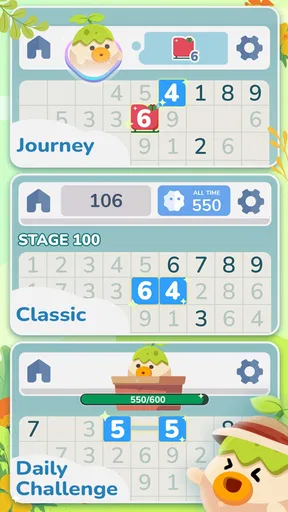
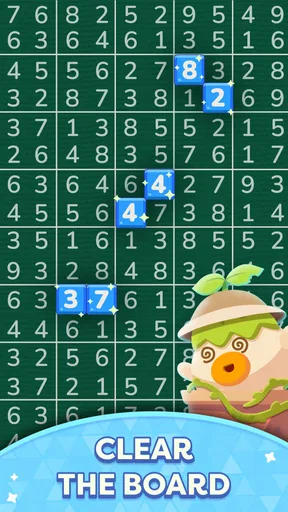
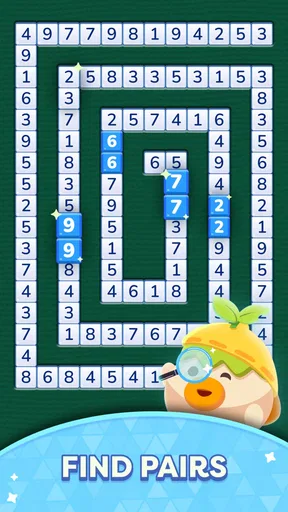
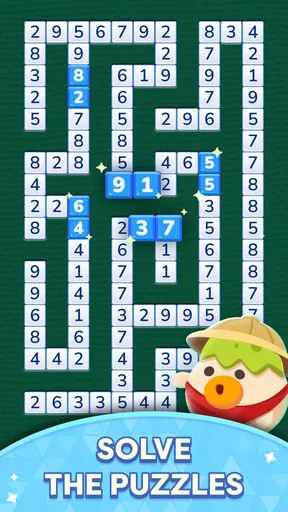

 Analysis by AppCompare
For a quick number puzzle, the appeal is simple: I can open NumMatch: Number Logic Puzzles, focus on a grid, and give my attention to something more satisfying than another round of scrolling. It is a board game built around number matching and logic, so the fun comes from spotting useful relationships rather than reacting quickly. That makes it a natural fit for a quiet break, though it is not the right pick if you want a story, lively competition, or a game that keeps your hands constantly busy.
A practical way to approach each session
I find the most comfortable way to play is to treat a puzzle as a short exercise in attention, not a race. Scan the available numbers first, identify the pairs or combinations that look promising, and then make a move only when you understand what it will leave behind. The key trade-off is that a match can feel immediately rewarding while still narrowing your choices later. A few seconds of planning can save the frustration of reaching a board that seems harder to read.
This approach also makes the game easy to fit into ordinary routines. On a bus ride, I might play a few moves and pause when I need to look up. During a coffee break, I can focus on one puzzle without needing to prepare anything or remember a complicated story. If I am interrupted, I simply return when I have a moment; the format is more suited to stopping and restarting than a game that depends on continuous action.
Settings and habits that help
Before settling into a routine, I would check the options available in the version on your device and choose the setup that feels easiest to read and control. I would not assume there is a particular setting or shortcut: the useful habit is to notice what the game actually offers, then keep the parts that reduce friction. For a number grid, comfortable text size, clear visibility, and deliberate taps matter more than flashy presentation.
A small but useful discipline is to pause after a move that changes the shape of your options. Rather than tapping rapidly through several apparent matches, I look at what remains and decide whether the next choice still supports a sensible path. This is especially helpful when playing while tired or distracted, since quick visual scanning can make two different opportunities seem equally good when one preserves more flexibility.
Patterns for steadier play
Experienced puzzle players often get more from a repeatable scan than from trying to calculate every possible outcome. I start with the obvious matches, then check whether making one would expose or preserve another useful option. If a choice seems uncertain, I take a beat and compare the board before committing. This keeps the game thoughtful without turning a casual session into a demanding study exercise.
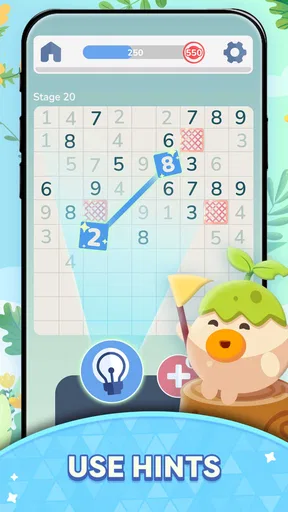
Hints are best treated as a way to get unstuck, not as the default way to progress. I would first recheck the grid and look for a pair or a pattern I overlooked; if I still cannot see a path, a hint can help me resume thinking rather than simply guessing. That makes the nudge more useful and keeps the satisfaction of solving a board intact. A good personal rule is to use help when it restores momentum, not just because a move requires patience.
Worth Reading Before You Choose

Flipboard Shows What News Apps Must Do Beyond the Feed

Switching to Android Auto Means Rethinking Your Driving Routine

Google Calendar Makes a Crowded Week Easier to Manage

Ludo King Makes the Most of the Minutes Between Plans

Baby Panda World Brings Quick Play to Modern Phones, but Its Game Library Feels Busy

ESPN’s Live Game View Makes Following Close Games Easier
Where the challenge can feel limited
Number matching is a specific kind of puzzle pleasure, and that focus is also its main limitation. If you want the layered deduction of Sudoku, the spatial manipulation of a Rubik’s cube, or the changing plans of a strategy board game, this will not fully replace those experiences. It is better suited to players who enjoy scanning, making a choice, and checking how that choice affects the remaining numbers. The format may also feel repetitive if you prefer a strong narrative or a steady stream of new mechanics.
Progression and rewards can give a reason to return, but they are not a substitute for enjoying the core puzzle. Achievements may appeal to someone who likes small goals, while another player may prefer to ignore them and concentrate on the board. I would judge the game by whether its number patterns stay satisfying for you, rather than by how many milestones you can chase. That distinction helps set realistic expectations before investing a lot of time.
There is also a practical difference between using a hint and paying for an extra: a hint is part of the puzzle-solving experience described in the game, while optional purchases are a separate spending decision. The game is free to start, with in-app purchases ranging from $0.99 to $9.99 per item. I would avoid buying anything simply to make a session feel productive; first see whether the regular play loop suits you. The age rating is Everyone, which makes the number-based format approachable for a broad audience, though younger players may still benefit from an adult helping them understand any purchase prompts.
For anyone comparing it with other board and logic games, the main question is what kind of thinking they want. Sudoku asks you to maintain constraints across a larger grid; many classic board games emphasize opponents, turns, or long-term strategy. This game is a more direct, solo-friendly option when you want to work with numbers without learning a large ruleset. If social play or deeper strategic planning is the priority, a conventional board game is likely a better match. If you want an accessible puzzle to dip into, the simpler focus is an advantage.
On a busy day, I can imagine opening it while waiting for an appointment, playing until my name is called, and returning later rather than needing to finish a long session. That is the kind of everyday use where a compact puzzle works well: it gives a small, complete mental task without demanding a full evening. I would not use it as a substitute for a serious study routine or assume a casual game will transform my memory; I enjoy it as a focused way to spend spare minutes.
Getting Started with NumMatch
The first thing you’ll notice when you fire up NumMatch is how clean and user-friendly the interface is. I mean, you don’t need to be a tech wizard to navigate through the app. It’s got this sleek design with intuitive controls, making it super easy for anyone to get started.
Upon opening the app, you’re greeted with a brief tutorial that walks you through the basics. Even if you’ve never played a number puzzle before, you’ll be solving them like a pro in no time. The app does a great job of easing you into the game mechanics without overwhelming you.
Diving Into the Gameplay
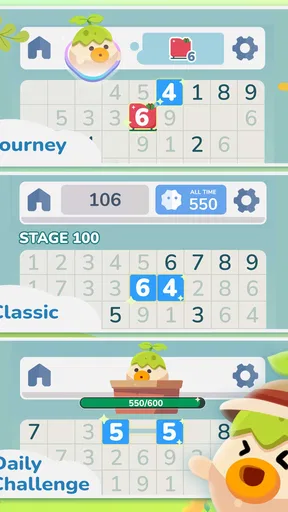
Now, let’s talk about the gameplay because that’s where the magic happens. The puzzles in NumMatch are a delightful blend of logic and numbers. Each level presents a grid filled with numbers, and your task is to match them in ways that adhere to specific rules. It’s like a math lover’s paradise! And hey, even if math isn’t your thing, the puzzles are designed to be incredibly engaging and rewarding.
"The feeling you get when you finally crack a tough puzzle is just unbeatable!"
What’s cool is that the app offers a variety of levels, ranging from easy to mind-bendingly difficult. It’s perfect for when you’re in the mood for something light or when you're ready to dive into a serious challenge. Plus, the app regularly updates with new puzzles, so you’ll never run out of things to solve.
Features That Stand Out
One of the standout features of NumMatch is its hint system. Let’s be real, sometimes you just get stuck. But instead of throwing your phone across the room, you can use a hint to get a nudge in the right direction. The hint system doesn’t just give away the answer; it helps you think through the problem, which is a nice touch.
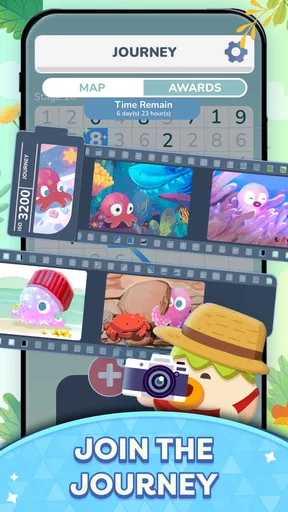
Another feature worth mentioning is the achievement system. It adds a layer of motivation as you try to unlock different badges and milestones. It’s a great way to keep you hooked and coming back for more.
Why You’ll Love It
What genuinely makes NumMatch: Number Logic Puzzles shine is its ability to make learning and improving your logical thinking skills enjoyable. It’s not just a game; it’s a workout for your brain. Whether you’re on a short break or have a lazy Sunday afternoon, it’s a fantastic way to keep your mind sharp.
Plus, the app doesn’t bombard you with ads or unnecessary in-app purchases. It respects your time and attention, which is a huge plus in today’s app market.
Final Thoughts
In a world where our phones are filled with countless apps trying to grab our attention, NumMatch stands out as a refreshing, intelligent, and genuinely enjoyable experience. It’s like having a pocket-sized brain gym, ready to give you that mental boost whenever you need it.
If you’re into puzzles, or even if you’re just looking for a new way to pass the time, give NumMatch: Number Logic Puzzles a try. Trust me, your brain will thank you!
Who will get the most from it?
I would recommend it most readily to someone who likes quiet, self-paced challenges and wants a puzzle that is easy to understand before deciding whether to invest more time. The short learning curve makes it approachable, while the change from easier to tougher levels gives regular players room to test their own patience and pattern recognition. It can also suit families looking for a calm, number-based game to explore together, with the age rating of Everyone offering broad accessibility.
It is less convincing for players who need multiplayer interaction, a strong sense of progression through a campaign, or a different puzzle every few minutes. People who already spend their free time on Sudoku may enjoy the number focus but still prefer Sudoku’s denser constraint-solving. Likewise, if you mainly want an action game or a competitive board match, the measured pace here may feel too solitary. Knowing that distinction makes the choice clearer than expecting one mobile game to cover every kind of play.
What the player count and updates suggest
The game has passed 10 million installs and has an average rating of 4.5 from around 61,000 ratings, with roughly 5,500 written reviews. Those figures suggest that its straightforward puzzle format has found a substantial audience, but popularity alone cannot tell me whether its style will hold my attention. I would use the first sessions to decide whether scanning and pairing numbers feels relaxing or repetitive for me personally.
BRAINWORKS PUBLISHING PTE. LTD. develops the game, and its current version is 1.36.1. It was released on January 4, 2024, and the listed minimum operating system is version 7.0. If you are choosing a device for a younger player or an older phone, those practical details are worth checking against the device before installing. They do not change the puzzle itself, but they can prevent a needless compatibility surprise.
Making the most of a session
One useful routine is to separate solving from score-chasing: begin by looking for a clean match, then reassess the remaining grid instead of trying to make every move instantly. When a puzzle becomes difficult, step away for a moment rather than repeatedly tapping at possibilities. Returning with fresh eyes often makes a neglected pattern easier to spot, and it helps keep the game from turning a small break into an irritating one.
I also like the idea of setting a personal stopping point before opening a puzzle during a short wait. A clear boundary makes it easier to put the phone away when the appointment, ride, or coffee break ends. This is not a special feature; it is simply a way to keep a pleasant, absorbing game in its proper place. If you find that the challenge encourages you to continue longer than you planned, save it for a time when you can give it your attention.
How it fits among number games
Compared with a paper puzzle, the app offers a ready-to-play format and guidance for newcomers, which removes the need to carry a book or work out the rules alone. Compared with a more elaborate strategy game, it asks for less setup and less sustained planning, but it also gives less emphasis to social decisions and long-term tactics. That makes it a useful middle ground for a player who wants something more mentally engaging than a basic matching game without committing to a full board-game session.
The best comparison is not that it replaces every classic puzzle, but that it fills a particular gap: a digital number challenge that can be approached in small pieces. If I want to test deduction over a longer stretch, I might choose Sudoku; if I want spatial problem-solving, a cube puzzle is a better fit. When I want a low-friction solo activity centered on number patterns, this is the more natural choice.
A balanced recommendation
The game is free to download, but optional in-app purchases cost between $0.99 and $9.99 per item. I would treat those purchases as a choice rather than a requirement and decide first whether the core matching puzzles are enjoyable without spending. Its board-game simplicity is a strength for casual play, while the same simplicity may leave players seeking richer systems wanting more. That is a fair trade-off, not a flaw that affects everyone equally.
Overall, I see it as a worthwhile option for curious players who want a number puzzle they can learn quickly and return to at their own pace. The hints can ease a frustrating stall, the levels offer a range of challenge, and the achievements provide optional goals for people who like them. I would recommend trying it if that combination sounds appealing; I would steer someone toward a more social or more deeply strategic alternative if those are the parts of board gaming they value most.
Pros
- Engaging gameplay with a focus on logic.
- Intuitive interface easy for all ages.
- Regular updates with new puzzles.
- No intrusive ads enhance gameplay.
- Offline mode available for travel.
Cons
- Limited hints can frustrate beginners.
- No multiplayer mode for competition.
- Requires frequent in-app purchases.
- Puzzles can become repetitive over time.
- High battery consumption on older devices.
FAQs for NumMatch: Number Logic Puzzles
What is NumMatch: Number Logic Puzzles, and how does it work?
NumMatch: Number Logic Puzzles is a brain-training game that challenges players with various number-based puzzles. The game combines elements of strategy and logic, making it suitable for players who enjoy mental challenges. Players match numbers to clear the board, using strategic thinking to achieve high scores. It’s designed to enhance cognitive skills while providing a fun and engaging experience.
Is NumMatch suitable for all ages?
Yes, NumMatch is designed to be accessible to a wide range of age groups. Its intuitive interface and adjustable difficulty levels make it suitable for both younger players and adults. However, young children may require guidance to fully understand the game mechanics, while adults can enjoy the more challenging levels for a brain workout.
Does NumMatch require an internet connection to play?
NumMatch is primarily an offline game, allowing players to enjoy the puzzles without needing an internet connection. This makes it perfect for commuting or when you're in locations with limited connectivity. However, certain features like leaderboards or updates might require an internet connection to access.
Are there in-app purchases in NumMatch, and are they necessary?
NumMatch does offer in-app purchases, such as hints and additional puzzle packs. While these can enhance gameplay and help progress through more challenging levels, they are not necessary to enjoy the core experience. The game is designed to be fully playable without spending money, providing a fair balance for all players.
How can NumMatch help improve cognitive skills?
NumMatch focuses on enhancing players' cognitive skills by challenging their problem-solving abilities and logical thinking. Regular gameplay can improve mental agility, pattern recognition, and strategic planning. The game’s varying levels of difficulty ensure that players are continually challenged, promoting cognitive development over time.


